


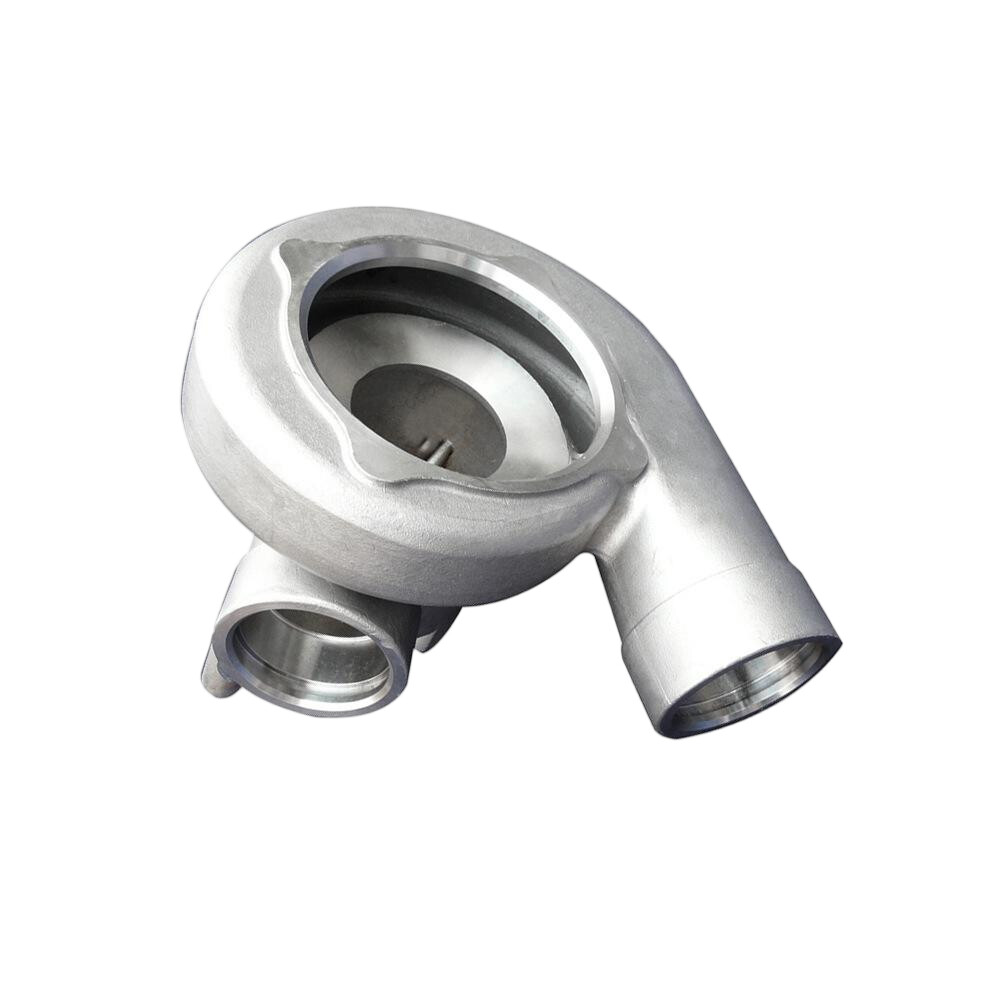
What is investment casting?
Investment casting is a precision casting process commonly used to manufacture complex parts. The basic process involves creating a wax pattern and then covering it with a ceramic shell. After the shell hardens, the wax is heated and melted, expelling it to form a hollow ceramic mold cavity. Finally, molten metal is poured into the mold cavity and cooled to produce the final casting. This method is particularly suitable for producing parts with complex shapes and high dimensional accuracy.
Advantages of Investment Casting
Investment casting offers several advantages, making it a key method for manufacturing complex parts:
Complex Structures and High Precision
Investment casting can produce parts with complex structures and high dimensional accuracy, making it particularly suitable for industries such as aerospace, where turbine blades, for example, require strict geometric dimensions to ensure performance.
Smooth Surface Finish
This process produces excellent surface quality, reducing the need for subsequent machining and saving time and cost. In areas such as jewelry, the smooth surface of investment casting can also enhance aesthetics.
Diverse Material Options
Investment casting can be used with a variety of metals and alloys, such as stainless steel, aluminum, and titanium, to meet the specific material performance requirements of different industries. Reduced Waste
High-precision processes minimize material waste and reduce secondary machining, thereby improving production efficiency and achieving significant cost savings, especially in high-volume production.
Flexible Design
Investment casting can produce parts that are difficult or impossible to manufacture using traditional machining, making it suitable for complex, custom parts in industries such as medical and automotive.
Cost-Effectiveness of Complex Parts
Despite the high initial investment in molds, the cost advantages of investment casting gradually become apparent when producing high-precision, complex parts in large quantities.
Disadvantages of Investment Casting
Despite its numerous advantages, investment casting still has some limitations:
High Initial Investment
Mold and wax pattern production requires a significant upfront investment, making it more expensive for small-batch production or prototyping, potentially less economical than other methods.
Long Production Cycle
The investment casting process is complex, involving multiple steps such as wax pattern creation and ceramic shell curing. The overall production time is long, making it unsuitable for fast-delivery projects.
Size Limitations
The process has certain limitations on part size, making it unsuitable for producing very large parts. In contrast, methods such as sand casting offer advantages for producing large parts. Complex Process
Investment casting is a labor-intensive process requiring skilled labor and specialized equipment. Maintaining consistent quality throughout the entire process requires a high level of expertise.
Limited Material Applicability
While it can be used with a wide range of metals, not all alloys are suitable for investment casting. Some materials may present processing challenges or performance limitations, requiring alternative casting methods.
Related Posts
- ▶ Shandong Chengshuo Metal Impresses at Metallurgy & Litmash 2025 in Moscow — Over 100 Potential Clients Engaged On-site
- ▶ Die Casting Aluminum Applications in Various Industries
- ▶ Detailed explanation of CNC machining technology: Diversified applications and advantages and disadvantages analysis from milling to turning
Online Message
Leave A Message
If you are interested in our products and want to know more details, please leave a message here, we will reply you as soon as we can.